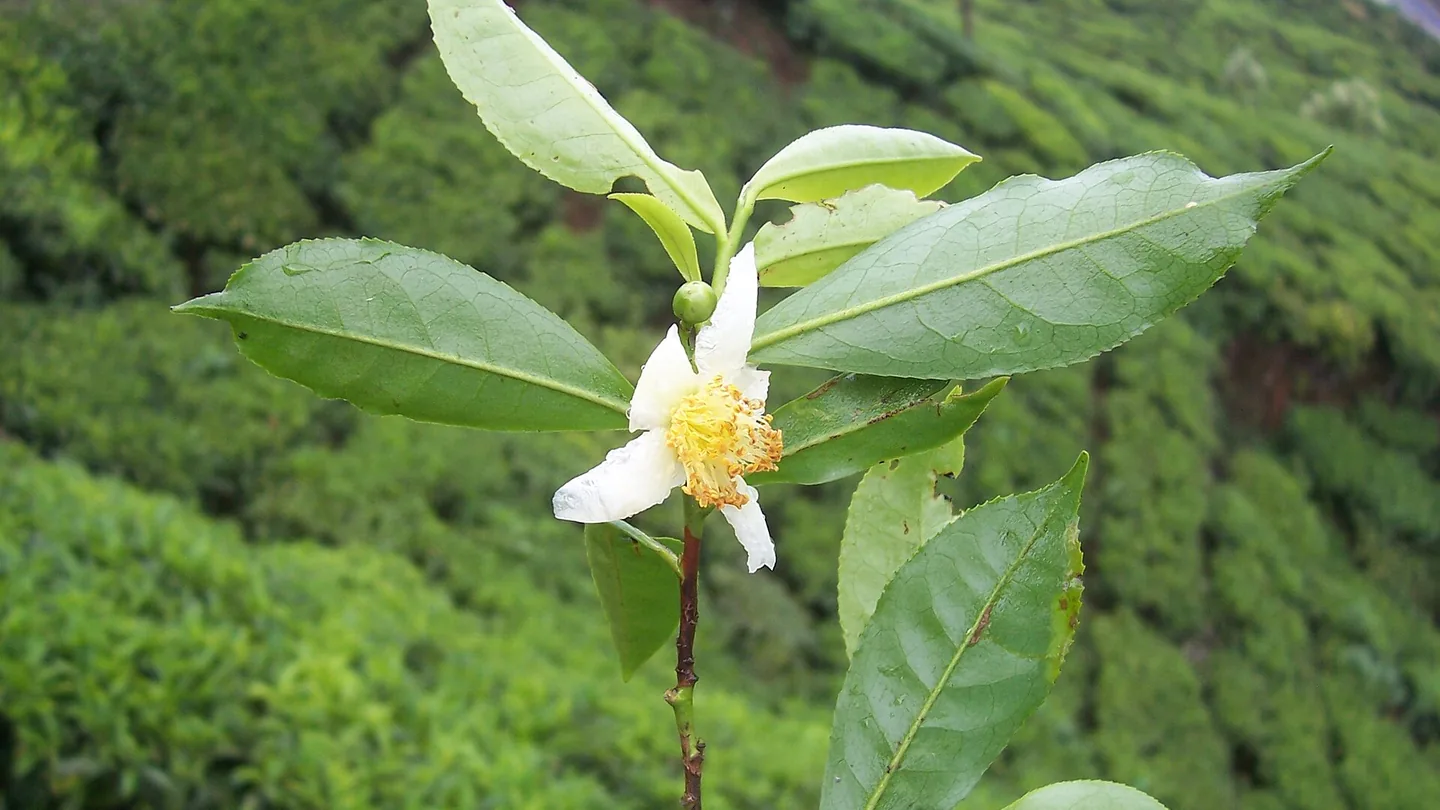
A cup with a thousand years of ceremony
Green tea is the everyday drink of much of East Asia. In China it has been brewed for well over a thousand years, from Longjing in Hangzhou to the teas of Yunnan. In Japan, powdered matcha became the heart of chado, the way of tea, a ceremony built around attention, hospitality and calm. In Malaysia, from Cameron Highlands to the local kopitiam, tea is part of daily life.
The calm, alert feeling many people describe after a cup of green tea is part of that culture. Modern research has looked at why, and also at the bolder marketing claims built on it.
What the research says about focus
Green tea contains caffeine and an amino acid called L-theanine, which is found almost only in tea. In a placebo-controlled study, the combination of L-theanine and caffeine improved speed and accuracy on a demanding attention-switching task and reduced distraction in a memory task, compared with placebo. Caffeine alone improved alertness.1 This was a single small trial with supplement doses, but it fits the familiar experience of tea as "alert but calm".
Strength of evidencelimited to moderate for short-term attention benefits from caffeine with L-theanine.
For a gym session, that may simply mean a cup of green tea or matcha 30 to 60 minutes beforehand feels gentler than a strong coffee or a high-caffeine pre-workout. A typical cup of brewed green tea contains much less caffeine than a cup of coffee; matcha can contain more because you consume the whole leaf.
What the research says about fat loss
This is where we need to be very direct. A Cochrane systematic review of green tea preparations for weight loss in overweight or obese adults found only a small, statistically non-significant weight loss, so small that it is not likely to be clinically important. Green tea also had no significant effect on keeping weight off.2
Strength of evidencegood-quality evidence that green tea is not a meaningful weight-loss tool.
So the trainer's "fat burner" idea is not supported. What changes body composition over time is consistent training, enough protein, sleep and overall eating patterns. Our protein and creatine guide covers the gym nutrition basics with strong evidence.
East meets West: the training-day tea ritual
- Before training: a cup of brewed green tea or a small matcha 30 to 60 minutes before class.
- During: water, especially in tropical heat.
- After: a real meal with protein. Tea is not a recovery drink.
- Evening: switch to a caffeine-free option. Caffeine taken even six hours before bed can disrupt sleep.3
The tea ceremony itself offers a lesson too: preparing tea slowly, with attention, can be a small moment of calm before a busy class. Whisking matcha or watching leaves unfurl in a glass takes two minutes, and those two minutes can work like a short breathing break between a hectic day and a demanding workout.
Safety: tea versus extract
NCCIH notes that no safety concerns have been reported for green tea consumed as a beverage by adults, apart from its caffeine. Green tea extract supplements are different. Side effects include nausea, constipation, stomach discomfort and raised blood pressure, and, although uncommon, liver injury has been reported, mainly with concentrated extracts in tablets or capsules.4
The European Food Safety Authority reviewed green tea catechins in 2018. It concluded that catechins from brewed tea are generally safe at usual intakes, but that clinical trials show doses of 800 mg EGCG per day or more taken as a food supplement can cause a statistically significant rise in liver enzymes.5
- Medicine interactions. NCCIH notes that high amounts of green tea can reduce blood levels of the beta-blocker nadolol, and green tea extract can lower levels of atorvastatin, a cholesterol medicine.4
- Caffeine sensitivity. People who are pregnant, have heart rhythm problems, anxiety or reflux may need to limit caffeine.
Talk to your doctor or pharmacist before taking green tea extract, especially if you take regular medicines or have a liver condition.
How to choose
- Prefer brewed tea or matcha to capsules for everyday use.
- Check EGCG per serving on any extract label, and stay well below the 800 mg per day level EFSA flagged.
- Matcha quality: look for a bright green colour and a named origin. Ceremonial grades are for drinking; culinary grades are for cooking.
- Avoid "fat burner" blends that combine green tea extract with multiple stimulants.
A note on skin and green tea
Green tea also appears in skincare and "beauty from within" products. The evidence there is still early, and we cover the better-supported basics of skin aging, such as sunscreen and sleep, in our skin and graceful aging guide.
The bottom line
Green tea and matcha bring a beautiful ceremony from Chinese and Japanese tradition, and the caffeine plus L-theanine combination may offer a calm, focused lift before training. Green tea is not a fat-loss tool, and concentrated extracts carry a real, if uncommon, liver risk. Our gym-going mother can enjoy a cup of matcha before class, skip the capsules, and let consistent training, protein and sleep drive her progress.
East meets West · the research
Research from Asia
Studies published in Japanese, Korean, Malaysian, Chinese and TCM journals, read with the same care as our other sources. Some were published in Japanese, Korean, Chinese or Malay; we show the original title and an English translation, and summarise them in plain English. We note small samples, animal studies and company-run trials. These summaries describe what was studied; they are not promises of results for you.
- Asia-Pacific
Nobre AC, Rao A, Owen GN. (2008). L-theanine, a natural constituent in tea, and its effect on mental state. Asia Pacific Journal of Clinical Nutrition (Asia-Pacific regional).
In plain English: Two small placebo-controlled studies in healthy young adults found that 50 mg of L-theanine, roughly the amount in a few cups of tea, increased alpha brain-wave activity linked with relaxed alertness. Brain-wave changes are not the same as proven stress relief.
- Korea
Lim IS. (2024). Effects of supplement L-theanine on cognitive anxiety, salivary alpha-amylase, and cortisol in archery competition. Physical Activity and Nutrition (Korea).
In plain English: A small Korean study of 18 college archers at a national competition; those given L-theanine reported less pre-competition anxiety and had lower saliva stress markers than a placebo group. Very small sample in a single event.
- Asia-Pacific
Tokuda Y, Mori H. (2021). Effect of ingestion of essential amino acids and tea catechins after resistance exercise on the muscle mass, physical performance, and quality of life of healthy older people: A randomized controlled trial. Asia Pacific Journal of Clinical Nutrition (Asia-Pacific regional).
In plain English: A 24-week open-label randomized trial in 84 healthy Japanese adults aged 65+; twice-weekly resistance exercise plus essential amino acids and tea catechins was associated with gains in muscle mass index, balance and physical quality of life. Exercise was the base of every group; not blinded.
- Japan
Unno K, Noda S, Kawasaki Y, et al. (2017). Ingestion of green tea with lowered caffeine improves sleep quality of the elderly via suppression of stress. Journal of Clinical Biochemistry and Nutrition (Japan).
In plain English: A very small Japanese study (10 older adults, average age 89) in which switching from standard to low-caffeine green tea for two weeks was linked with a lower morning stress marker and, in some people, better sleep measures. No placebo group; hypothesis-generating only.
- Japan
山上隼平, 宮下政司, 城所哲宏, 柳岡拓磨, 柏原杏子, 和氣坂卓也, 松井祐司, 竹下尚男, 大崎紀子, 桂木能久 (2018). 2週間の高濃度茶カテキン含有飲料継続摂取が3,000 mタイムトライアル評価値に及ぼす影響 [Effect of drinking a high-catechin tea beverage daily for two weeks on 3,000 m time-trial results]. 日本スポーツ栄養研究誌 (Japanese Journal of Sports Nutrition) 11:25–33. Japan.
Japanese Published in Japanese; summary translated by Open Leaf from the Japanese abstract. Author names are shown as published.
In plain English: Fifteen male middle- and long-distance runners drank a high-catechin tea drink (634 mg of catechins) or a catechin-free drink every day for two weeks. They then swapped (a randomized, double-blind crossover). Their 3,000 m times were faster after the tea-catechin period, and blood iron and erythropoietin, a hormone tied to red blood cells, rose. Several authors work for Kao, which makes catechin drinks.
- Japan
小関誠, レカ ラジュ・ジュネジャ, 白川修一郎 (2004). アクチグラフを用いたL-テアニンの睡眠改善効果の検討 [A study of the sleep-improving effect of L-theanine using actigraphy]. 日本生理人類学会誌 (Japanese Journal of Physiological Anthropology) 9(4):143–150. Japan.
Japanese Published in Japanese; summary translated by Open Leaf from the full Japanese text. Author names are shown as published.
In plain English: Healthy young men took 200 mg of L-theanine (an amino acid found in tea) or a look-alike placebo an hour before bed. After theanine, they rated their mornings as more refreshed and less tired. In 10 students, a wrist activity monitor recorded less time awake during the night: about 13 minutes, versus 20 with the placebo. The study was small, and two authors worked for Taiyo Kagaku, which makes the theanine used.
Each record was checked against PubMed, J-STAGE, KoreaScience or the DOI registry on 14–15 November 2026. Translations are Open Leaf’s own; please check the original for exact wording. Not medical advice.
References
Every source below was checked against PubMed or the publisher’s page on 14 November 2026. Inclusion is not an endorsement of any product.
- Owen GN, Parnell H, De Bruin EA, et al. The combined effects of L-theanine and caffeine on cognitive performance and mood. Nutr Neurosci. 2008. PubMed ↗ · DOI 10.1179/147683008X301513
- Jurgens TM, Whelan AM, Killian L, et al. Green tea for weight loss and weight maintenance in overweight or obese adults. Cochrane Database Syst Rev. 2012. PubMed ↗ · DOI 10.1002/14651858.CD008650.pub2
- Drake C, Roehrs T, Shambroom J, et al. Caffeine effects on sleep taken 0, 3, or 6 hours before going to bed. J Clin Sleep Med. 2013. PubMed ↗ · DOI 10.5664/jcsm.3170
- National Center for Complementary and Integrative Health (NIH). Green Tea: Usefulness and Safety. Official page ↗
- Younes M, Aggett P, Aguilar F, et al. Scientific opinion on the safety of green tea catechins. EFSA J. 2018. PubMed ↗ · DOI 10.2903/j.efsa.2018.5239
Keep reading
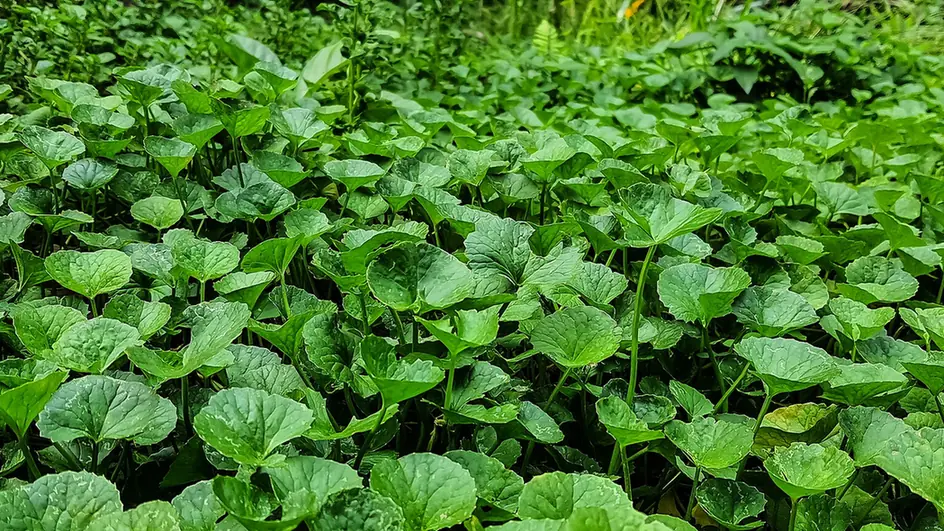
Graceful skin aging, East and West: sunscreen first, sleep second, collagen a distant third
What a randomized trial showed about daily sunscreen and skin aging, how sleep relates to skin barrier recovery, what collagen supplement meta-analyses really found, and East Asian skincare rituals.
Read the guide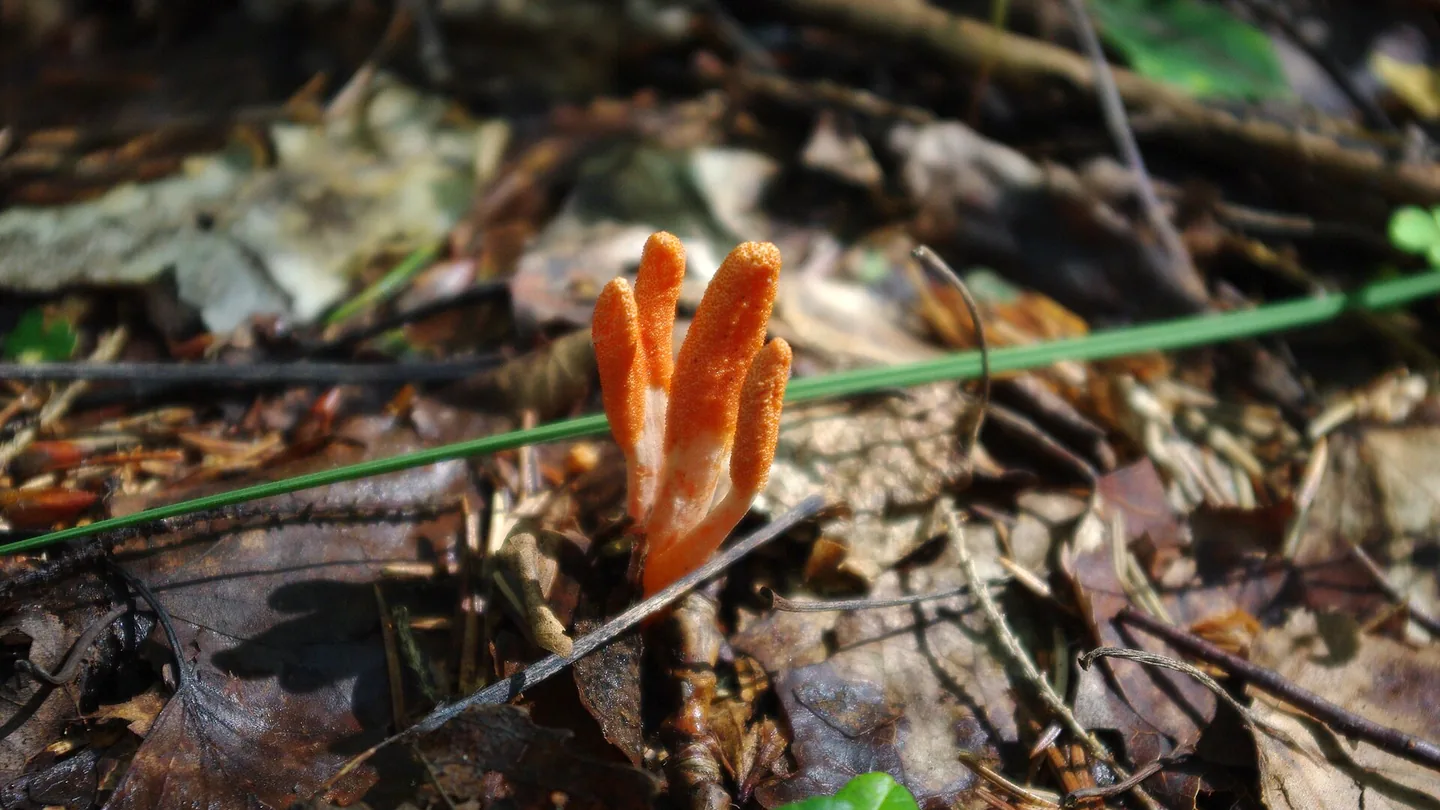
Cordyceps and endurance training: Himalayan legend, mixed lab results
Cordyceps (dong chong xia cao) in Chinese and Tibetan tradition, what exercise trials on VO2max and endurance actually found, bleeding and medicine cautions, and better training basics.
Read the guide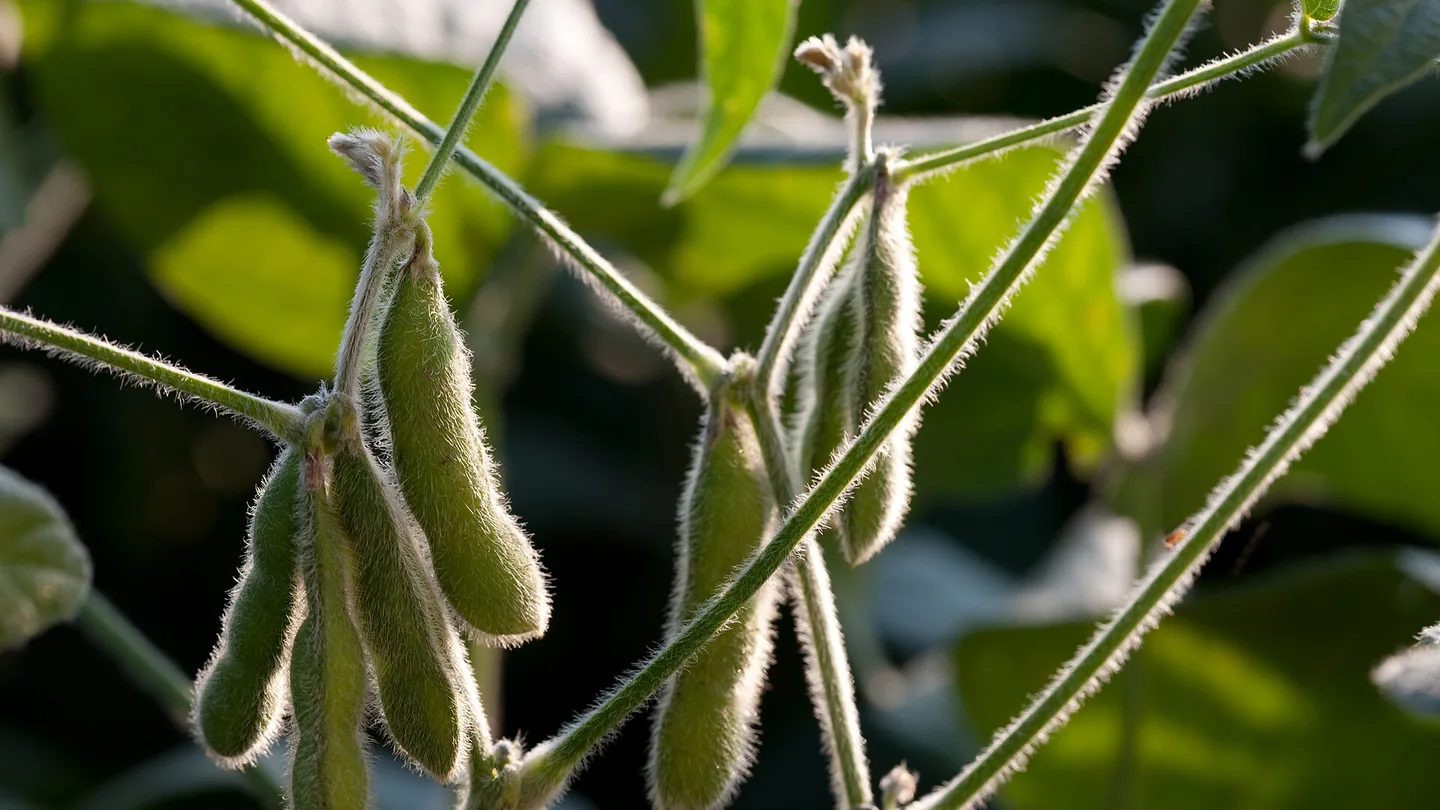
Protein, creatine and tofu: the gym basics that actually have evidence
How much protein gym-goers need, why soy and tofu work as well as whey in trials, what creatine really does, and how to build an East-meets-West plate for strength training.
Read the guide