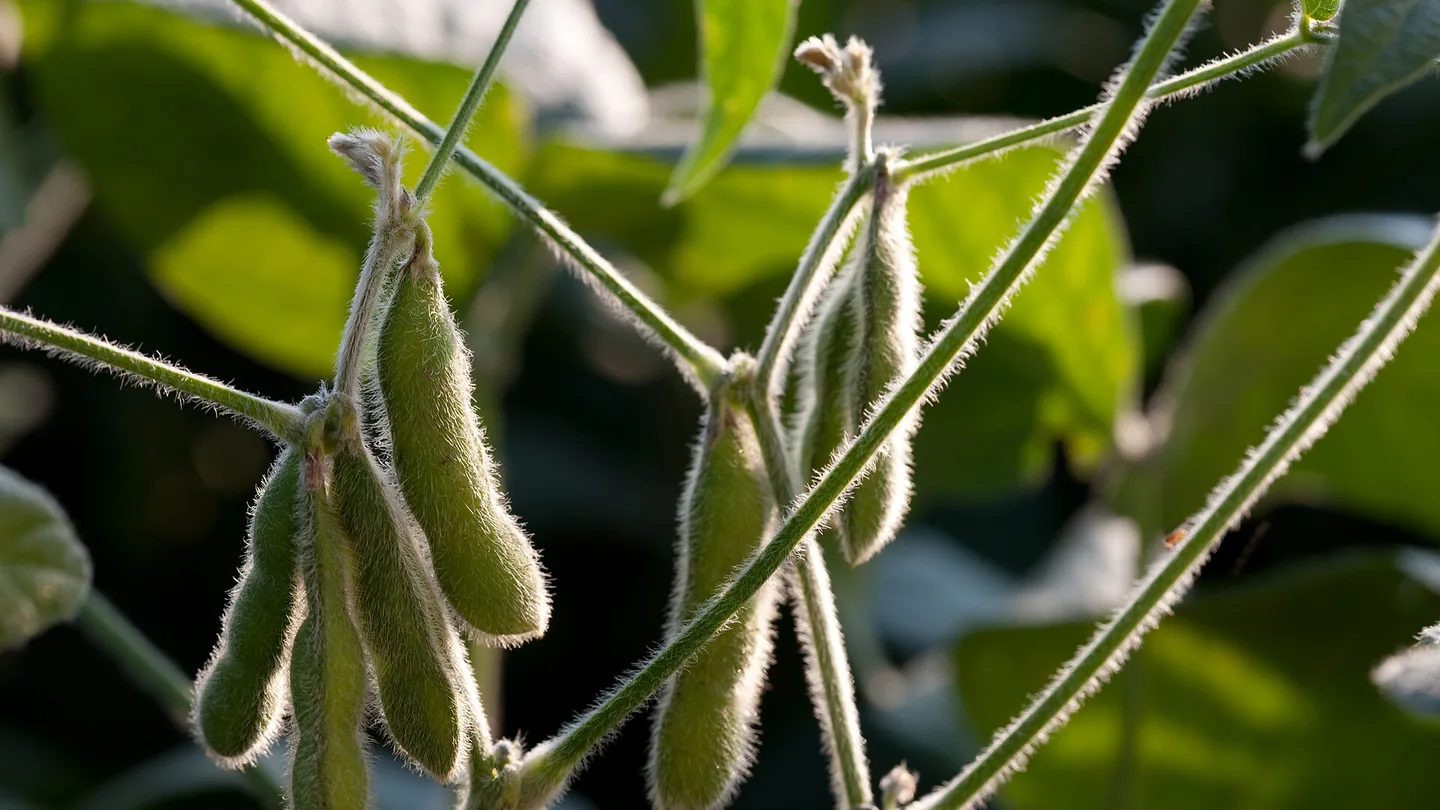
Starting with what is proven
Most supplement aisles are crowded with products that have little evidence behind them. Strength training nutrition is the rare area where a few basics have very strong support. We will go through them, and show how traditional East Asian foods, especially soy, fit right in.
What the research says about protein
The International Society of Sports Nutrition position stand says a daily protein intake of about 1.4 to 2.0 grams per kilogram of body weight is enough for most people who exercise to build and maintain muscle. It suggests spreading protein across meals, roughly 20 to 40 grams per serving every three to four hours.1
A large meta-analysis in the British Journal of Sports Medicine pooled 49 trials of protein supplementation during resistance training. Extra protein modestly increased gains in strength and muscle size, but the benefit plateaued at around 1.6 grams per kilogram per day in total protein. Beyond that, more protein did not add further muscle gains.2
For our 70 kg lifter, that means roughly 110 grams of protein a day, which many people can reach with food alone.
Strength of evidencestrong.
East meets West: soy is a full partner
There is a persistent gym myth that plant protein, especially soy, cannot build muscle like whey. A meta-analysis in the International Journal of Sport Nutrition and Exercise Metabolism tested exactly that, and found no difference in strength or lean mass gains between soy protein and animal protein supplements during resistance training.3
That is good news for anyone who grew up with East Asian soy foods. Tofu, tempeh, soy milk and edamame are affordable, familiar and versatile. A Malaysian-friendly protein day could look like this:
- Breakfast: two eggs with wholemeal toast, or soy milk with oats.
- Lunch: chicken rice with an extra portion of chicken, or a tempeh and vegetable dish.
- Afternoon: a glass of soy milk or a small tub of yoghurt.
- Dinner: fish or tofu with vegetables and rice.
Protein powder is simply a convenient food. It is useful if you struggle to reach your target, not essential.
Creatine: the most-studied supplement in the gym
Creatine is a compound your body makes and that you also get from meat and fish. The ISSN position stand describes creatine monohydrate as one of the most effective supplements for improving high-intensity exercise performance and training adaptations, and reports that it is safe and well tolerated in healthy people in both short- and long-term studies.4
The practical approach most sports dietitians use is about 3 to 5 grams of creatine monohydrate a day, every day, with any meal. Some people notice a small, temporary increase in body weight from water stored in muscle. Expensive "advanced" forms have no clear advantage over plain monohydrate.
Strength of evidencestrong for high-intensity performance and training adaptations in healthy adults.
The training side, briefly
Nutrition supports training; it does not replace it. The basics are progressive overload, meaning gradually adding weight or reps, training each major muscle group about twice a week, and keeping good technique. The World Health Organization recommends muscle-strengthening activities on two or more days a week for adults.5 And recovery, especially sleep, is where adaptation happens. Our athlete sleep guide goes into detail.
What you can probably skip
- Mass gainers are often mainly sugar. Food does the same job for less.
- Proprietary blends hide the dose of each ingredient.
- Pre-workouts are mostly caffeine; a coffee or green tea gives you that at a fraction of the price. See our green tea and training focus guide.
- "Fat burners" have no place in an evidence-based plan, and some have caused serious harm.
Safety notes
- Kidneys. Healthy people tolerate higher protein intakes, but anyone with kidney disease should talk to their doctor before raising protein or taking creatine. Position papers on protein for older people make the same exception for severe kidney disease.6
- Contamination. Supplements can contain undeclared ingredients. Choose products with third-party testing, especially if you compete in drug-tested sport.
- Soy and medicines. Soy foods are part of a normal diet for most people. If you take thyroid medicine, ask your doctor about timing, since some foods and supplements can affect how it is absorbed.
- Hydration. Train with water nearby, especially in Malaysian heat.
Talk to your doctor before starting creatine or a high-protein diet if you have kidney or liver conditions, diabetes, or take regular medicines.
How to read a protein or creatine label
- Check grams of protein per serving, not per "scoop" size claims.
- For creatine, look for "creatine monohydrate" as the single ingredient.
- Look for third-party testing logos from sport certification programs.
- Be wary of labels promising rapid muscle gain or fat loss.
The bottom line
The gym basics are simple and well supported: enough protein spread over the day, plain creatine monohydrate if you want it, progressive training and good sleep. East Asian soy foods are as effective as whey in trials, so tofu, tempeh and soy milk can be the backbone of a strength-training diet. Our lifter can skip most of the counter and spend his money on good food.
East meets West · the research
Research from Asia
Studies published in Japanese, Korean, Malaysian, Chinese and TCM journals, read with the same care as our other sources. Some were published in Japanese, Korean, Chinese or Malay; we show the original title and an English translation, and summarise them in plain English. We note small samples, animal studies and company-run trials. These summaries describe what was studied; they are not promises of results for you.
- Korea
Park Y, Park HY, Kim J, et al. (2019). Effects of whey protein supplementation prior to, and following, resistance exercise on body composition and training responses: A randomized double-blind placebo-controlled study. Journal of Exercise Nutrition & Biochemistry (Korea).
In plain English: A 12-week randomized, double-blind trial in 18 Korean adults doing supervised resistance training; a whey-based protein blend taken around sessions was linked with larger gains in muscle circumference and strength than placebo. Very small sample.
- Japan
Mori H, Tokuda Y. (2018). Effect of whey protein supplementation after resistance exercise on the muscle mass and physical function of healthy older women: A randomized controlled trial. Geriatrics & Gerontology International (Japan).
In plain English: A 24-week randomized trial in 81 healthy Japanese women aged 65 to 80; resistance exercise plus whey protein increased muscle mass index more than exercise alone or protein alone. The exercise mattered most, and protein added to it.
- Japan
Yaegashi A, Kimura T, Hirata T, et al. (2021). Association of dietary protein intake with skeletal muscle mass in older adults: A systematic review. Geriatrics & Gerontology International (Japan).
In plain English: A Japanese systematic review of 17 observational studies; most found that older adults eating more protein tended to have more muscle, but the authors said study limitations meant no firm conclusion could be drawn.
- Korea
Takahashi R, Kobayashi Y, Fujii T, et al. (2024). Relationship between fat-free mass index and nutrient intake in protein supplement user among Japanese collegiate soccer athletes. Physical Activity and Nutrition (Korea).
In plain English: A cross-sectional survey of 38 Japanese university soccer players; half used protein supplements, and users also ate more carbohydrate and several vitamins overall, a reminder that the whole diet matters more than one scoop.
- Japan
Kurosawa Y, Katsumura T, Hamaoka T, Kuwamori M, Sako T, Kimura N, Shimomitsu T (1998). クレアチン経口投与が局所筋パフォーマンスおよび骨格筋クレアチンリン酸濃度に及ぼす影響 [Effects of oral creatine on local muscle performance and muscle creatine phosphate levels]. 体力科学 (Japanese Journal of Physical Fitness and Sports Medicine) 47:361–366. Japan.
Japanese Published in Japanese; summary translated by Open Leaf from the full Japanese text.
In plain English: Six healthy, untrained adults (four men, two women) took 5 g of creatine six times a day for two weeks, which is a very high loading dose, while training one forearm. Creatine phosphate in the muscle rose in both arms, and more in the trained arm. Short 10-second grip power improved, but grip strength did not change, and endurance improved only in the trained arm. This was a tiny study with no placebo group.
- Japan
Matsushita A, Kameda N, Seike M (2012). 健常成人女性の皮膚機能に対する大豆ペプチドならびにコラーゲンペプチドの同時摂取効果 [Effects of taking soy peptide and collagen peptide together on the skin of healthy adult women]. 日本家政学会誌 (Journal of Home Economics of Japan) 63(1):35–42. Japan.
Japanese Published in Japanese; summary translated by Open Leaf from the Japanese abstract.
In plain English: For 70 days, healthy women drank either a soy-plus-collagen peptide drink or a collagen-only drink. The two drinks did not differ in their effect on skin elasticity, moisture or water loss. In the soy-plus-collagen group, elasticity rose and water loss fell compared with before. With no placebo drink, read this as a hint, not proof.
Each record was checked against PubMed, J-STAGE, KoreaScience or the DOI registry on 14–15 November 2026. Translations are Open Leaf’s own; please check the original for exact wording. Not medical advice.
References
Every source below was checked against PubMed or the publisher’s page on 14 November 2026. Inclusion is not an endorsement of any product.
- Jäger R, Kerksick CM, Campbell BI, et al. International Society of Sports Nutrition Position Stand: protein and exercise. J Int Soc Sports Nutr. 2017. PubMed ↗ · DOI 10.1186/s12970-017-0177-8
- Morton RW, Murphy KT, McKellar SR, et al. A systematic review, meta-analysis and meta-regression of the effect of protein supplementation on resistance training-induced gains in muscle mass and strength in healthy adults. Br J Sports Med. 2018. PubMed ↗ · DOI 10.1136/bjsports-2017-097608
- Messina M, Lynch H, Dickinson JM, et al. No Difference Between the Effects of Supplementing With Soy Protein Versus Animal Protein on Gains in Muscle Mass and Strength in Response to Resistance Exercise. Int J Sport Nutr Exerc Metab. 2018. PubMed ↗ · DOI 10.1123/ijsnem.2018-0071
- Kreider RB, Kalman DS, Antonio J, et al. International Society of Sports Nutrition position stand: safety and efficacy of creatine supplementation in exercise, sport, and medicine. J Int Soc Sports Nutr. 2017. PubMed ↗ · DOI 10.1186/s12970-017-0173-z
- Bull FC, Al-Ansari SS, Biddle S, et al. World Health Organization 2020 guidelines on physical activity and sedentary behaviour. Br J Sports Med. 2020. PubMed ↗ · DOI 10.1136/bjsports-2020-102955
- Bauer J, Biolo G, Cederholm T, et al. Evidence-based recommendations for optimal dietary protein intake in older people: a position paper from the PROT-AGE Study Group. J Am Med Dir Assoc. 2013. PubMed ↗ · DOI 10.1016/j.jamda.2013.05.021
Keep reading

Cordyceps and endurance training: Himalayan legend, mixed lab results
Cordyceps (dong chong xia cao) in Chinese and Tibetan tradition, what exercise trials on VO2max and endurance actually found, bleeding and medicine cautions, and better training basics.
Read the guide
Goji berries for the eyes? A careful look at gou qi zi in healthy aging
Goji (gou qi zi) in Chinese kitchens and tradition, what a 90-day trial in older adults measured, the warfarin interaction you should know, and everyday eye-care habits.
Read the guide
Green tea and matcha before training: focus, caffeine and the fat-burner myth
Green tea and matcha in Chinese and Japanese tea culture, the caffeine plus L-theanine research on focus, why a Cochrane review found no meaningful weight effect, and EGCG liver safety.
Read the guide