A selection of studies from Japanese, Korean, Malaysian, Chinese and TCM journals behind the guides on this page. Each guide lists its own Asian research in full, with plain-English summaries and the limits of each study.
- India
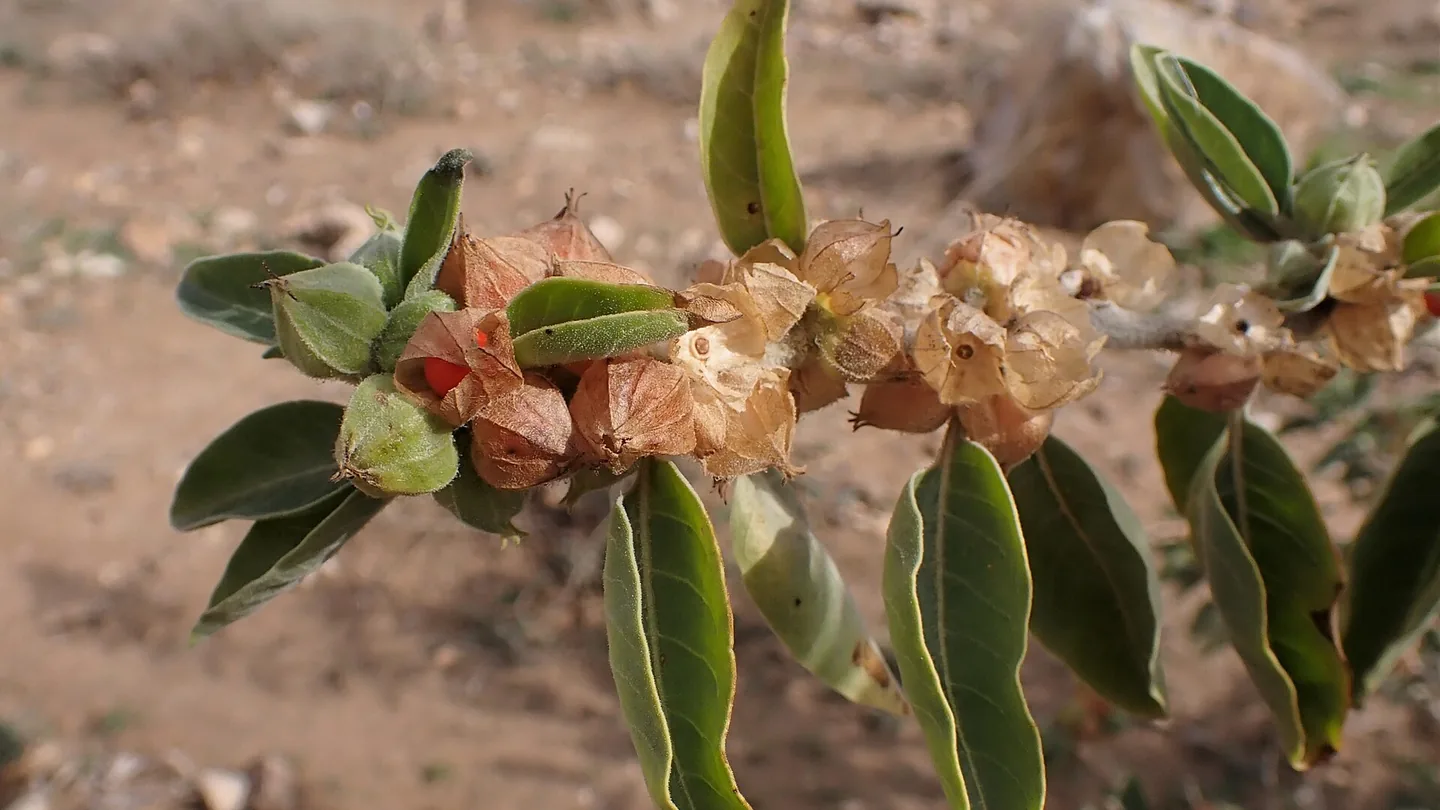
Chandrasekhar K, Kapoor J, Anishetty S. (2012). A prospective, randomized double-blind, placebo-controlled study of safety and efficacy of a high-concentration full-spectrum extract of ashwagandha root in reducing stress and anxiety in adults. Indian Journal of Psychological Medicine (India).
In plain English: A 60-day randomized, double-blind, placebo-controlled trial in 64 adults with a history of chronic stress in Hyderabad; a full-spectrum ashwagandha root extract lowered stress-scale scores and serum cortisol more than placebo, with mild side effects similar in both groups. Single-centre.
PubMed 23439798 ↗ · DOI ↗
- Malaysia / SE Asia
Fadzil NA, Heong WO, Kueh YC, et al. (2021). The Effect of a Mindfulness-Based Intervention on Nurses in Kelantan, Malaysia. Malaysian Journal of Medical Sciences (Malaysia).
In plain English: A before-and-after study of 35 nurses at Hospital Universiti Sains Malaysia in Kelantan; a one-day mindfulness workshop plus monthly group practice was followed by lower perceived stress and anxiety scores. No control group.
PubMed 35002496 ↗ · DOI ↗
- Japan
Hashimoto H, Watanabe T, Suzuki T, Ando Y, Ehira T, Kanazawa M, Koizumi H, Koike J, Tateishi K (2026). アシュワガンダによる遷延性黄疸にフェノバルビタールが著効した薬物性肝障害の1例 [A case of ashwagandha-related liver injury with prolonged jaundice that responded well to phenobarbital]. 日本消化器病学会雑誌 (Japanese Journal of Gastroenterology) 123(2):133–140. Japan.
Japanese Published in Japanese; summary translated by Open Leaf from the Japanese abstract.
In plain English: This is a safety report, not a trial. A 39-year-old man who had taken self-imported ashwagandha for three months developed liver injury with jaundice, which improved with hospital treatment. One case cannot show how common this is. It is still a clear reason to stop and see a doctor if your skin or eyes turn yellow or your urine darkens while you are taking it.
PubMed 41672520 ↗ · J-STAGE ↗ · DOI ↗
- China · TCM
Wang Y, Yang KL, He CN, Xiao PG (2021). 睡茄——近年来国际上流行的一种药食两用植物 [Withania somnifera (ashwagandha): a food-and-medicine plant that has become popular internationally in recent years]. 中国中药杂志 (China Journal of Chinese Materia Medica) 46(20):5159–5165. China.
Chinese Published in Chinese; summary by Open Leaf from the authors’ English abstract. The Chinese title was checked against China’s DOI registry.
In plain English: This Chinese review introduces ashwagandha, known as “Indian ginseng”, to Chinese readers. It covers the herb’s Ayurvedic history, its main compounds (withanolides), safety studies and research so far. The authors judge its safety to be good overall and note that research and products in China are still scarce. It is an overview, not a new study, and it predates newer liver-safety reports such as the Japanese case on this page.
PubMed 34738415 ↗ · DOI ↗
- Korea
Yoon J, Park B, Hong KW, et al. (2023). The effects of Korean Red Ginseng on stress-related neurotransmitters and gene expression: A randomized, double-blind, placebo-controlled trial. Journal of Ginseng Research (Korea).
In plain English: An 8-week randomized, placebo-controlled pilot trial in about 90 healthy Korean men who reported stress; the red ginseng group showed some differences in stress-related blood markers such as epinephrine, but this was a small, biomarker-focused study, not proof of feeling calmer.
PubMed 38107397 ↗ · DOI ↗
- India
Remenapp A, Coyle K, Orange T, et al. (2022). Efficacy of Withania somnifera supplementation on adult's cognition and mood. Journal of Ayurveda and Integrative Medicine (India).
In plain English: A 30-day randomized, placebo-controlled trial in 60 healthy US adults who reported stress; mood and stress questionnaires improved in all groups including placebo, while the ashwagandha groups did better on some computer-based cognitive tests and the 225 mg group showed falling cortisol. One proprietary extract; published in an Indian Ayurveda journal.
PubMed 34838432 ↗ · DOI ↗