
A kinder way to think about skin aging
Skin changes with time for everyone, and fine lines are a sign of a life lived and laughed. At Open Leaf we prefer the phrase graceful aging: looking after your skin so it stays comfortable, resilient and healthy, rather than chasing a promise to stop time. That framing also makes it easier to spot marketing that overreaches.
East Asia has deep skincare traditions. Japanese and Korean routines emphasise gentle cleansing, layered hydration and, above all, sun protection; parasols are a common sight on sunny days. Chinese "beauty from within" ideas centre on nourishing foods, soups and rest. Western dermatology research, meanwhile, has run the controlled trials. Remarkably often, they agree.
What the research says: sunscreen first
The landmark trial took place in Nambour, Australia. Adults under 55 were randomly assigned to apply a broad-spectrum sunscreen daily or to use it at their own discretion, and their skin was assessed over four and a half years. The daily-sunscreen group showed no detectable increase in skin aging over the study period, and the odds of increased aging were about 24 percent lower than in the discretionary group. The same trial found that beta-carotene supplements had no overall effect on skin aging.1
Strength of evidencestrong. A randomized controlled trial, measured over years.
In Malaysia's year-round strong sun, daily sunscreen on the face, neck and hands, together with shade, hats and the East Asian parasol habit, is the single most useful step for graceful skin aging.
Sleep: the overnight ritual
Chinese tradition has long talked about "beauty sleep" in its own way, and a study in Clinical and Experimental Dermatology looked at it directly. Women who were chronically poor sleepers had more signs of intrinsic skin aging, weaker skin barrier function and slower recovery after a mild skin barrier challenge and UV exposure than good sleepers. Good sleepers also felt better about their appearance.2
It was an observational study, so it shows a link rather than proving that sleep changes aging. But it fits common experience, and better sleep has benefits well beyond skin.
Strength of evidencelimited, but consistent with broader sleep research.
Collagen supplements: what the meta-analyses say
Collagen drinks and powders are everywhere. Here is the honest summary:
- A 2021 systematic review and meta-analysis of 19 studies, involving 1,125 participants mostly women aged 20 to 70, found that hydrolysed collagen supplementation for around 90 days improved measures of skin hydration, elasticity and wrinkles compared with placebo.3
- A 2023 meta-analysis in Nutrients also found improvements in hydration and elasticity, but identified several biases in the included trials and said larger, well-designed trials are needed.4
- An earlier trial of specific collagen peptides found improved skin elasticity in women aged 35 to 55 after eight weeks.5
Collagen trials are often small, rely on skin-measurement devices rather than visible change, and run only a few months. The effects measured are modest.
Strength of evidencelow to moderate for modest improvements in skin hydration and elasticity measurements; uncertain for visible, lasting change.
East meets West: a short, honest routine
- Morning: gentle cleanser, moisturiser, broad-spectrum sunscreen SPF 30 or higher. Reapply when outdoors for long periods.
- Daytime: shade, a hat or parasol, sunglasses.
- Evening: remove sunscreen gently, moisturise. You do not need ten steps.
- Night: a consistent sleep window, with screens down beforehand.
- Plate: colourful vegetables and fruit, enough protein, and plenty of water. Traditional soups with tofu, fish or chicken fit well.
- Optional: if you want to try collagen, give it about three months and judge honestly by how your skin feels, not by marketing photos.
Bird's nest and similar traditional "beauty" foods can be enjoyed as cultural treats, but we have not found good-quality human evidence that they change skin aging, so we do not suggest buying them for that purpose.
Safety notes
- Sunscreen. Patch-test a new product if you have sensitive skin, and look for formulas labelled non-comedogenic if you are prone to breakouts.
- Collagen. Generally well tolerated. Check the source (fish, bovine or porcine) for allergies and dietary or religious preferences, including halal certification if relevant.
- Added ingredients. Collagen drinks often contain sugar, caffeine, or herbal extracts. Read the full label.
- Skin changes. See a doctor or dermatologist about any new, changing, bleeding or unusual mole or spot. Self-care never replaces a skin check.
Talk to your doctor or pharmacist before starting supplements if you are pregnant, breastfeeding, have kidney disease or take regular medicines.
How to read a collagen label
- Look for "hydrolysed collagen" or "collagen peptides" and the grams per serving; trials commonly used several grams a day.
- Check the source and any third-party testing.
- Treat "clinically proven" with caution unless the brand names the study and the product used in it.
- Avoid products promising to erase wrinkles or reverse aging.
The bottom line
The best-supported steps for graceful skin aging are humble and inexpensive: daily sunscreen, good sleep and a gentle routine, ideas East Asian skincare traditions have championed for generations. Collagen supplements show modest, early-stage benefits on skin measurements and are optional. Our teacher can keep her routine short, wear sunscreen every day, protect her sleep and judge any extras with a clear eye.
East meets West · the research
Research from Asia
Studies published in Japanese, Korean, Malaysian, Chinese and TCM journals, read with the same care as our other sources. Some were published in Japanese, Korean, Chinese or Malay; we show the original title and an English translation, and summarise them in plain English. We note small samples, animal studies and company-run trials. These summaries describe what was studied; they are not promises of results for you.
- Japan
Koizumi S, Okada Y, Miura S, et al. (2023). Ingestion of a collagen peptide containing high concentrations of prolyl-hydroxyproline and hydroxyprolyl-glycine reduces advanced glycation end products levels in the skin and subcutaneous blood vessel walls: a randomized, double-blind, placebo-controlled study. Bioscience, Biotechnology, and Biochemistry (Japan).
In plain English: A 12-week randomized, placebo-controlled trial by a Japanese collagen manufacturer; a fish collagen peptide lowered levels of advanced glycation end products (AGEs) measured in skin. Run by the manufacturer, and AGE levels are not the same as visible skin change.
- Korea
Lee JS, Yoon YC, Kim JM, et al. (2024). Liquid collagen from freshwater fish skin ameliorates hydration, roughness and elasticity in photo-aged skin: a randomized, controlled, clinical study. Nutrition Research and Practice (Korea).
In plain English: A 12-week randomized, controlled trial by a Korean ingredient maker; a liquid freshwater-fish collagen drink improved measured skin hydration, roughness and elasticity versus placebo in adults with sun-aged skin. Run by the ingredient maker.
- Malaysia / SE Asia
Ng JY, Zhou H, Li T, et al. (2024). Comparisons between wrinkles and photo-ageing detected and self-reported by the participant or identified by trained assessors reveal insights from Chinese individuals in the Singapore/Malaysia Cross-sectional Genetics Epidemiology Study (SMCGES) cohort. Journal of Physiological Anthropology (Japan) · Singapore/Malaysia cohort.
In plain English: From the Singapore/Malaysia Cross-sectional Genetics Epidemiology Study of Chinese participants; people's own reports of wrinkles and photo-ageing agreed reasonably well with trained assessors. Useful for understanding sun-related skin ageing in Southeast Asia.
- Malaysia / SE Asia
Ng JY, Sio YY, Chew FT. (2026). A genome-wide association study identifies that SAMD5 interacts with regular Sun exposure to influence nasolabial folds development. Journal of Physiological Anthropology (Japan) · Singapore/Malaysia cohort.
In plain English: A genetic study in young adults from the same Singapore/Malaysia cohort; regular sun exposure was associated with higher odds of nasolabial folds, interacting with a gene variant linked to lighter, burn-prone skin. Supports everyday sun protection.
- Japan
Matsushita A, Kameda N, Seike M (2012). 健常成人女性の皮膚機能に対する大豆ペプチドならびにコラーゲンペプチドの同時摂取効果 [Effects of taking soy peptide and collagen peptide together on the skin of healthy adult women]. 日本家政学会誌 (Journal of Home Economics of Japan) 63(1):35–42. Japan.
Japanese Published in Japanese; summary translated by Open Leaf from the Japanese abstract.
In plain English: For 70 days, healthy women drank either a soy-plus-collagen peptide drink or a collagen-only drink. The two drinks did not differ in their effect on skin elasticity, moisture or water loss. In the soy-plus-collagen group, elasticity rose and water loss fell compared with before. With no placebo drink, read this as a hint, not proof.
- Japan
荻野明彦, 岡村健史, 山村聡, 横野智砂子, 野村義宏 (2024). 魚皮由来コラーゲンペプチド摂取による被験者の安全性および皮膚への効果 [Safety and skin effects of taking fish-skin collagen peptide]. Functional Food Research 20:97–104. Japan.
Japanese Published in Japanese; summary translated by Open Leaf from the Japanese abstract. Author names are shown as published.
In plain English: In a randomized, double-blind trial, 38 adults took 2.5 g or 12.5 g of fish-skin collagen peptide, or a placebo, for 8 weeks. Routine blood tests did not change, even at five times the usual amount. Skin moisture trended higher but the difference was not statistically significant, and skin water loss was lower in the 2.5 g group. Some authors work for private companies.
Each record was checked against PubMed, J-STAGE, KoreaScience or the DOI registry on 14–15 November 2026. Translations are Open Leaf’s own; please check the original for exact wording. Not medical advice.
References
Every source below was checked against PubMed or the publisher’s page on 14 November 2026. Inclusion is not an endorsement of any product.
- Hughes MC, Williams GM, Baker P, et al. Sunscreen and prevention of skin aging: a randomized trial. Ann Intern Med. 2013. PubMed ↗ · DOI 10.7326/0003-4819-158-11-201306040-00002
- Oyetakin-White P, Suggs A, Koo B, et al. Does poor sleep quality affect skin ageing?. Clin Exp Dermatol. 2015. PubMed ↗ · DOI 10.1111/ced.12455
- de Miranda RB, Weimer P, Rossi RC. Effects of hydrolyzed collagen supplementation on skin aging: a systematic review and meta-analysis. Int J Dermatol. 2021. PubMed ↗ · DOI 10.1111/ijd.15518
- Pu SY, Huang YL, Pu CM, et al. Effects of Oral Collagen for Skin Anti-Aging: A Systematic Review and Meta-Analysis. Nutrients. 2023. PubMed ↗ · DOI 10.3390/nu15092080
- Proksch E, Segger D, Degwert J, et al. Oral supplementation of specific collagen peptides has beneficial effects on human skin physiology: a double-blind, placebo-controlled study. Skin Pharmacol Physiol. 2014. PubMed ↗ · DOI 10.1159/000351376
Keep reading
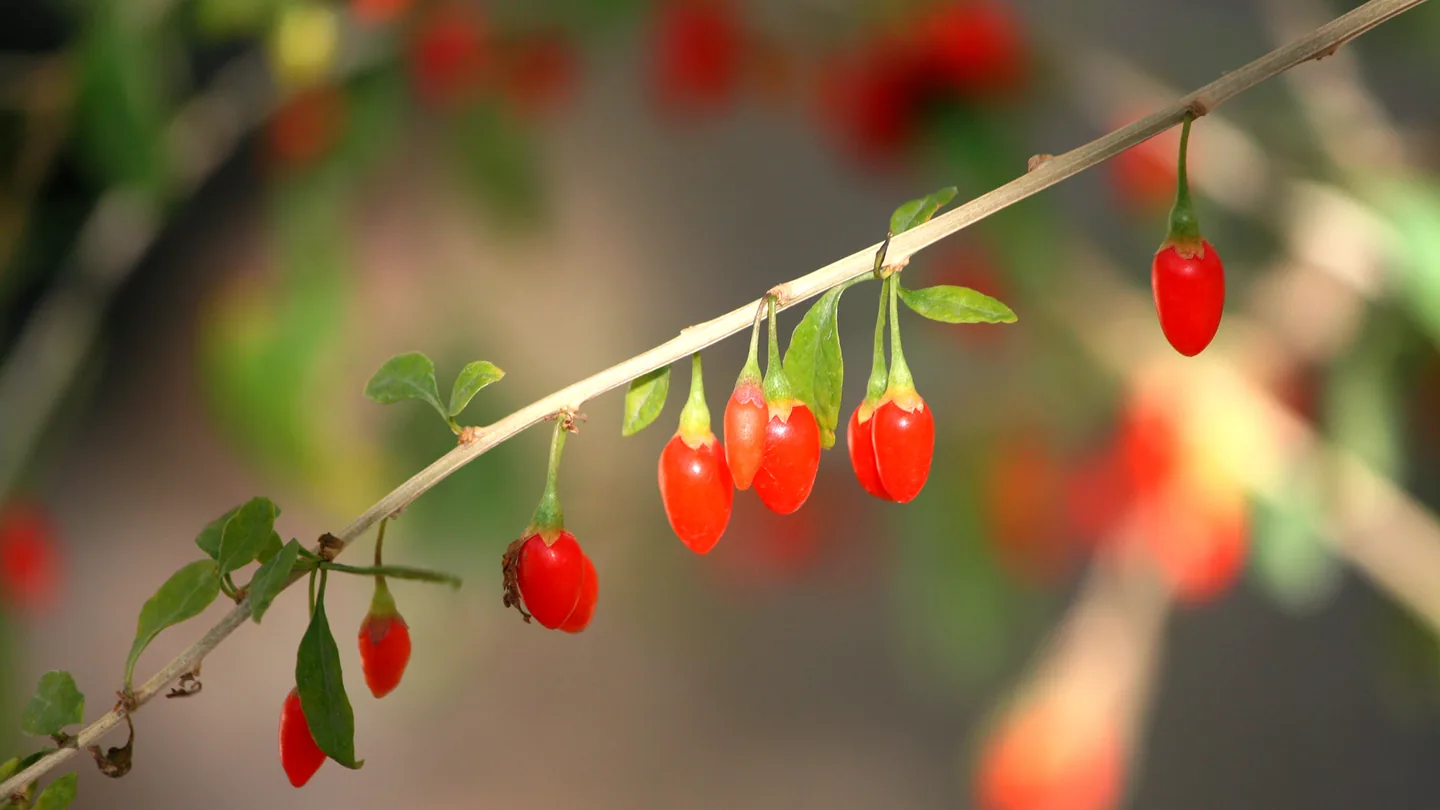
Goji berries for the eyes? A careful look at gou qi zi in healthy aging
Goji (gou qi zi) in Chinese kitchens and tradition, what a 90-day trial in older adults measured, the warfarin interaction you should know, and everyday eye-care habits.
Read the guide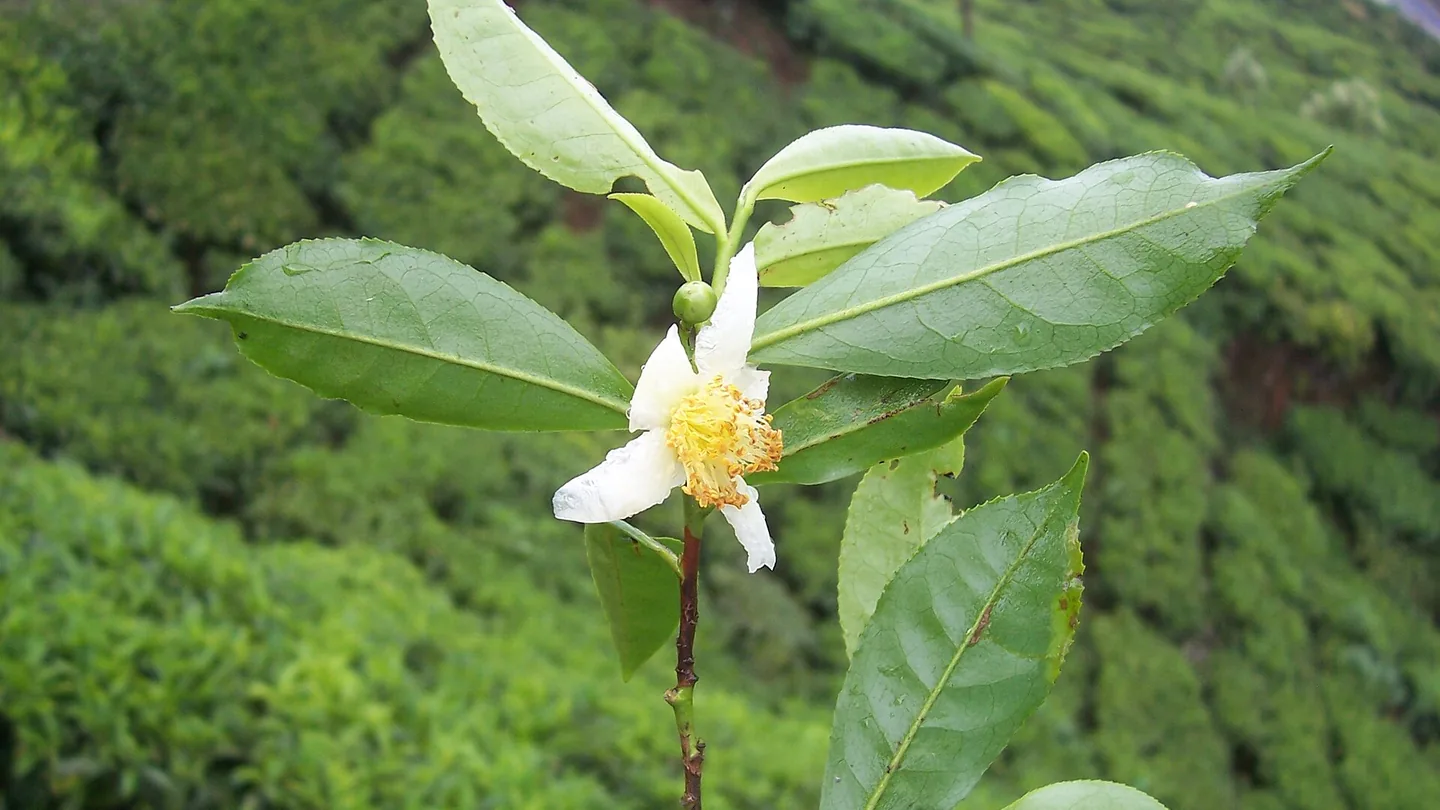
Green tea and matcha before training: focus, caffeine and the fat-burner myth
Green tea and matcha in Chinese and Japanese tea culture, the caffeine plus L-theanine research on focus, why a Cochrane review found no meaningful weight effect, and EGCG liver safety.
Read the guide
Tai chi and strength training after 50: an East-West plan for steady, active years
Tai chi from Chinese tradition and Western resistance training for older adults. What Cochrane and meta-analyses show about balance, falls and muscle, protein needs, and a safe weekly plan.
Read the guide