Explore / 01
Sleep & stress
Evening rituals should make life simpler, not turn rest into another task. Explore everyday habits and the limits of products sold for sleep support.
Start here
A calmer night starts before the supplement shelf
Wind-down routines, label reading and a careful look at the sleep-support aisle.
Read the full guide ↗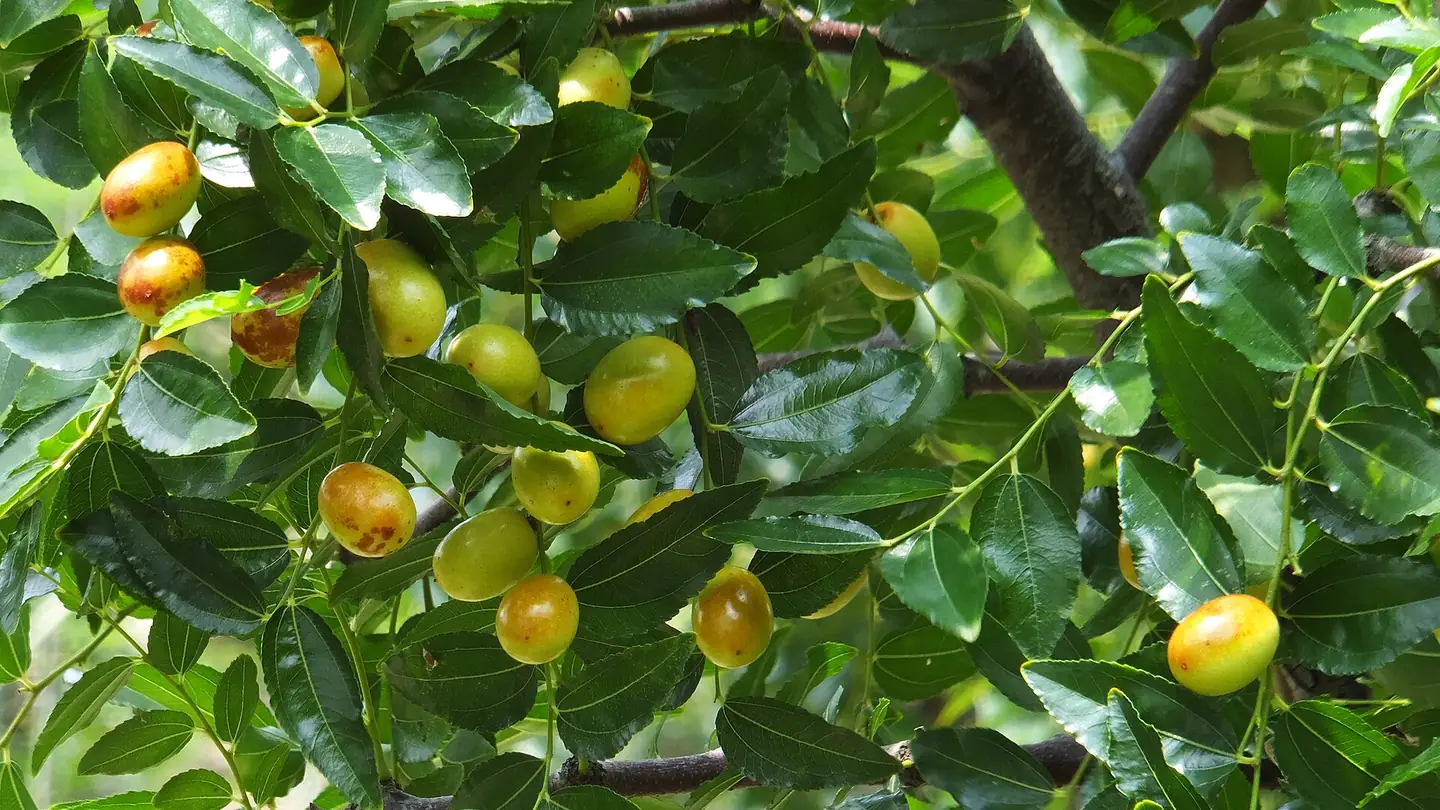
Jujube · red dateWind down the way grandmother did, with a warm cup
East meets West · the research
Research from Asia on this topic
Studies published in Japanese, Korean, Malaysian, Chinese and TCM journals, read with the same care as our other sources. Some were published in Japanese, Korean, Chinese or Malay; we show the original title and an English translation, and summarise them in plain English. We note small samples, animal studies and company-run trials. These summaries describe what was studied; they are not promises of results for you.
- Japan
Unno K, Noda S, Kawasaki Y, et al. (2017). Ingestion of green tea with lowered caffeine improves sleep quality of the elderly via suppression of stress. Journal of Clinical Biochemistry and Nutrition (Japan).
In plain English: A very small Japanese study (10 older adults, average age 89) in which switching from standard to low-caffeine green tea for two weeks was linked with a lower morning stress marker and, in some people, better sleep measures. No placebo group; hypothesis-generating only.
- Japan
Okamoto-Mizuno K, Mizuno K. (2012). Effects of thermal environment on sleep and circadian rhythm. Journal of Physiological Anthropology (Japan).
In plain English: A Japanese review of how bedroom temperature affects sleep; in real-life conditions with bedding, heat increases wakefulness and reduces deep and REM sleep, and humid heat adds to the load, which is very relevant to tropical bedrooms. The authors note cold exposure deserves more study.
- Japan
Yamada H, Miyasaka R, Hamada H. (2024). Euphausia pacifica emulsified oil powder improves sleep quality in partially sleep-restricted healthy volunteers. Bioscience, Biotechnology, and Biochemistry (Japan).
In plain English: A Japanese trial in 64 healthy volunteers with partly restricted sleep; a krill-oil powder was linked with less drowsiness on waking and better self-rated recovery from tiredness. One product, short study.
- Malaysia / SE Asia
Low HJ, Cheah OK, Ng BH, et al. (2024). Effect of transcutaneous electrical acupoint stimulation in heart rate variability in post-on-call trainees. Medical Journal of Malaysia (Malaysia).
In plain English: A study of 38 anaesthesiology trainees in Kuala Lumpur after 24-hour on-call shifts; 20 minutes of electrical stimulation at traditional acupoints was followed by slightly lower blood pressure and heart rate and better self-rated sleep, but no change in heart rate variability. No sham comparison group.
- Japan
小関誠, レカ ラジュ・ジュネジャ, 白川修一郎 (2004). アクチグラフを用いたL-テアニンの睡眠改善効果の検討 [A study of the sleep-improving effect of L-theanine using actigraphy]. 日本生理人類学会誌 (Japanese Journal of Physiological Anthropology) 9(4):143–150. Japan.
Japanese Published in Japanese; summary translated by Open Leaf from the full Japanese text. Author names are shown as published.
In plain English: Healthy young men took 200 mg of L-theanine (an amino acid found in tea) or a look-alike placebo an hour before bed. After theanine, they rated their mornings as more refreshed and less tired. In 10 students, a wrist activity monitor recorded less time awake during the night: about 13 minutes, versus 20 with the placebo. The study was small, and two authors worked for Taiyo Kagaku, which makes the theanine used.
- Malaysia / SE Asia
Basri A, Ahmad A (2024). Hubungan antara tahap kualiti tidur dengan pencapaian akademik dalam kalangan pelajar sarjana muda pendidikan bimbingan dan kaunseling di Malaysia [The relationship between sleep quality and academic achievement among guidance and counselling education undergraduates in Malaysia]. Jurnal Pendidikan Bitara UPSI 17:72–81. Malaysia.
Malay Published in Malay; summary translated by Open Leaf from the Malay abstract.
In plain English: At four Malaysian universities, 260 guidance and counselling undergraduates completed the Malay version of a standard sleep questionnaire. Their sleep quality was poor overall, although their grades were mostly good. Worse scores for sleep quality and sleep duration were moderately linked with lower grades. This was a one-time survey, so it shows a link, not cause and effect.
Each record was checked against PubMed, J-STAGE, KoreaScience or the DOI registry on 14–15 November 2026. Translations are Open Leaf’s own; please check the original for exact wording. Not medical advice.