Explore / 04
Healthy aging
Aging is not a problem for a product to solve. Our focus is everyday function, sensible routines and a clear distinction between interesting research and retail promises.
Start here
Healthy aging, without the miracle claims
An evidence-minded guide to longevity language and ordinary daily wellbeing.
Read the full guide ↗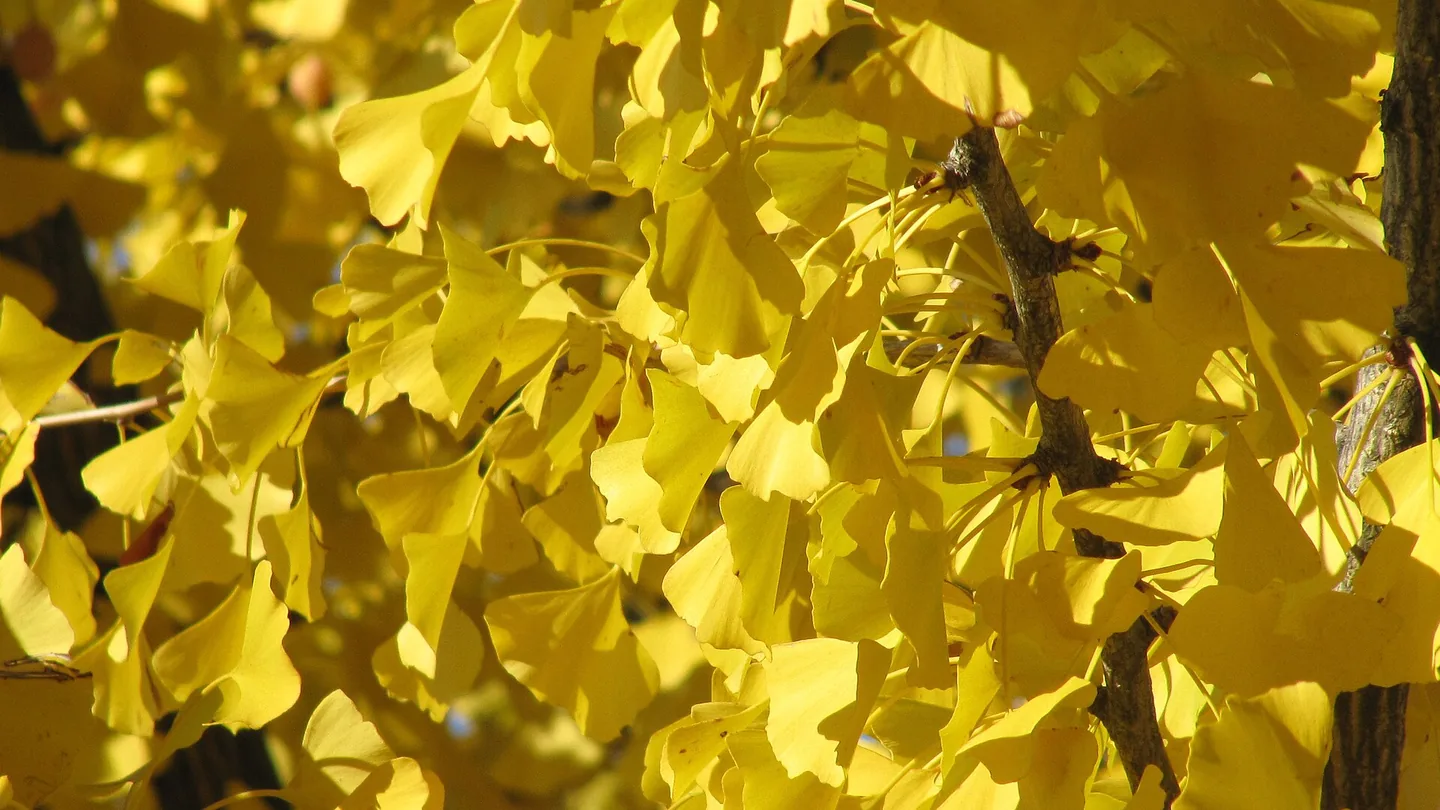
GinkgoThe tree that outlived the dinosaurs, and a calm way to age
East meets West · the research
Research from Asia on this topic
Studies published in Japanese, Korean, Malaysian, Chinese and TCM journals, read with the same care as our other sources. Some were published in Japanese, Korean, Chinese or Malay; we show the original title and an English translation, and summarise them in plain English. We note small samples, animal studies and company-run trials. These summaries describe what was studied; they are not promises of results for you.
- Asia-Pacific
Cockerham WC, Yamori Y. (2001). Okinawa: an exception to the social gradient of life expectancy in Japan. Asia Pacific Journal of Clinical Nutrition (Asia-Pacific regional).
In plain English: An analysis of why Okinawa, once Japan's poorest prefecture, had longer life expectancy than Japan overall; the authors suggest diet and strong family and social support mattered more than wealth.
- Malaysia / SE Asia
Shaharudin MI, Abd Rahman NFN. (2022). Prevalence of Frailty and Its Standardised Assessment Tools among Malaysian Older Person: A Systematic Review. Malaysian Journal of Medical Sciences (Malaysia).
In plain English: A Malaysian systematic review of frailty among older Malaysians; reported frailty ranged widely (6% to 76%) depending on the tool used and setting, and the authors call for promoting active lifestyles in later life.
- Malaysia / SE Asia
Low ST, Balaraman T. (2017). Physical activity level and fall risk among community-dwelling older adults. Journal of Physical Therapy Science (Japan) · research from Malaysia.
In plain English: A survey of community-dwelling older Malaysian adults; most did some regular light activity and most were at low fall risk, though the study found no clear link between activity level and fall risk.
- Japan
Yaegashi A, Kobayashi T, Kimura N, et al. (2024). Association of Habitual Green Tea Consumption with Sarcopenia Assessed Using SARC-F in Community-Dwelling Japanese Older People: A Cross-Sectional Study. Journal of Nutritional Science and Vitaminology (Japan).
In plain English: A cross-sectional study of 364 community-dwelling older Japanese adults; drinking at least one cup of green tea a day was associated with lower odds of screening positive for sarcopenia risk. Association only; the authors call for longer studies.
- Japan
金信敬, 鳥羽研二, 折茂肇 (2007). 太極拳運動実施高齢者の健康関連QOL―同年代国民標準値との比較― [Health-related quality of life of older adults who practise tai chi: a comparison with national norms for their age]. 日本老年医学会雑誌 (Japanese Journal of Geriatrics) 44(3):339–344. Japan.
Japanese Published in Japanese; summary translated by Open Leaf from the Japanese abstract. Author names are shown as published.
In plain English: In Japan, 804 tai chi practitioners aged 65 and over completed a standard quality-of-life survey (SF-36). Their scores for physical function, general health and mental health were higher than the national average for their age, especially among those in their 70s. A survey like this cannot show that tai chi caused the difference, because people who keep practising may already be healthier.
- Japan
Jin C, Watanabe K (2003). 太極挙実践が中・高齢者の静的および動的バランス機能に及ぼす影響 [Effects of tai chi practice on static and dynamic balance in middle-aged and older adults]. 体力科学 (Japanese Journal of Physical Fitness and Sports Medicine) 52(4):369–379. Japan.
Japanese Published in Japanese; summary translated by Open Leaf from the Japanese abstract. The original title is reproduced exactly as published.
In plain English: Researchers tested 34 middle-aged and older tai chi practitioners on a balance platform. Little changed in the short term. Longer practice, though, was linked with quicker reactions when the floor moved and with better balance while moving. Leg strength was not linked with balance. This was a small study without a randomized comparison group.
- Korea
Jung YK, Shin WS (2023). 산림치유 프로그램이 중년 여성의 스트레스 저감에 미치는 영향 [Effect of a forest therapy programme on reducing stress in middle-aged women]. 한국환경생태학회지 (Korean Journal of Environment and Ecology) 37(6):464–472. South Korea.
Korean Published in Korean; summary translated by Open Leaf from the Korean abstract.
In plain English: Forty middle-aged women in Jeju were randomly assigned either to eight six-hour forest sessions in Saryeoni Forest or to a comparison group. The forest group reported less stress and more leisure satisfaction, and a pulse-based stress index also improved. The trial was small, and the women had signed up because they wanted forest therapy.
- Korea
Oh CU (2016). 태극권이 노인의 악력, 통증과 낙상공포에 미치는 효과 [Effects of tai chi on grip strength, pain and fear of falling in older adults]. 한국산학기술학회논문지 (Journal of the Korea Academia-Industrial Cooperation Society) 17(5):631–636. South Korea.
Korean Published in Korean; summary translated by Open Leaf from the Korean abstract, which gives the schedule as five 60-minute sessions a week.
In plain English: In a Korean city, 37 adults aged 65 and over either practised 24-form tai chi for 60 minutes, five times a week for six weeks, or did not. Compared with the other group, the tai chi group gained grip strength and reported less pain and less fear of falling. The study was not randomized and lasted only six weeks, so the result is promising but small.
- China · TCM
Qiao X, Hao YF (2012). [Qualitative research on older adults’ real experience of long-term adherence to tai chi exercise]. 中西医结合学报 (Journal of Chinese Integrative Medicine) 10(12):1388–1393. China.
Chinese Published in Chinese; summary by Open Leaf from the authors’ English abstract. We could not access the Chinese abstract or title.
In plain English: Researchers interviewed six older adults in a Beijing park who had practised tai chi for many years. They described better daily habits and fitness, calmer minds and less tension, a sense of community, and a link to yin-yang culture. Six interviews describe people’s experiences; they do not measure effects.
Each record was checked against PubMed, J-STAGE, KoreaScience or the DOI registry on 14–15 November 2026. Translations are Open Leaf’s own; please check the original for exact wording. Not medical advice.