Two old names, one evening cup
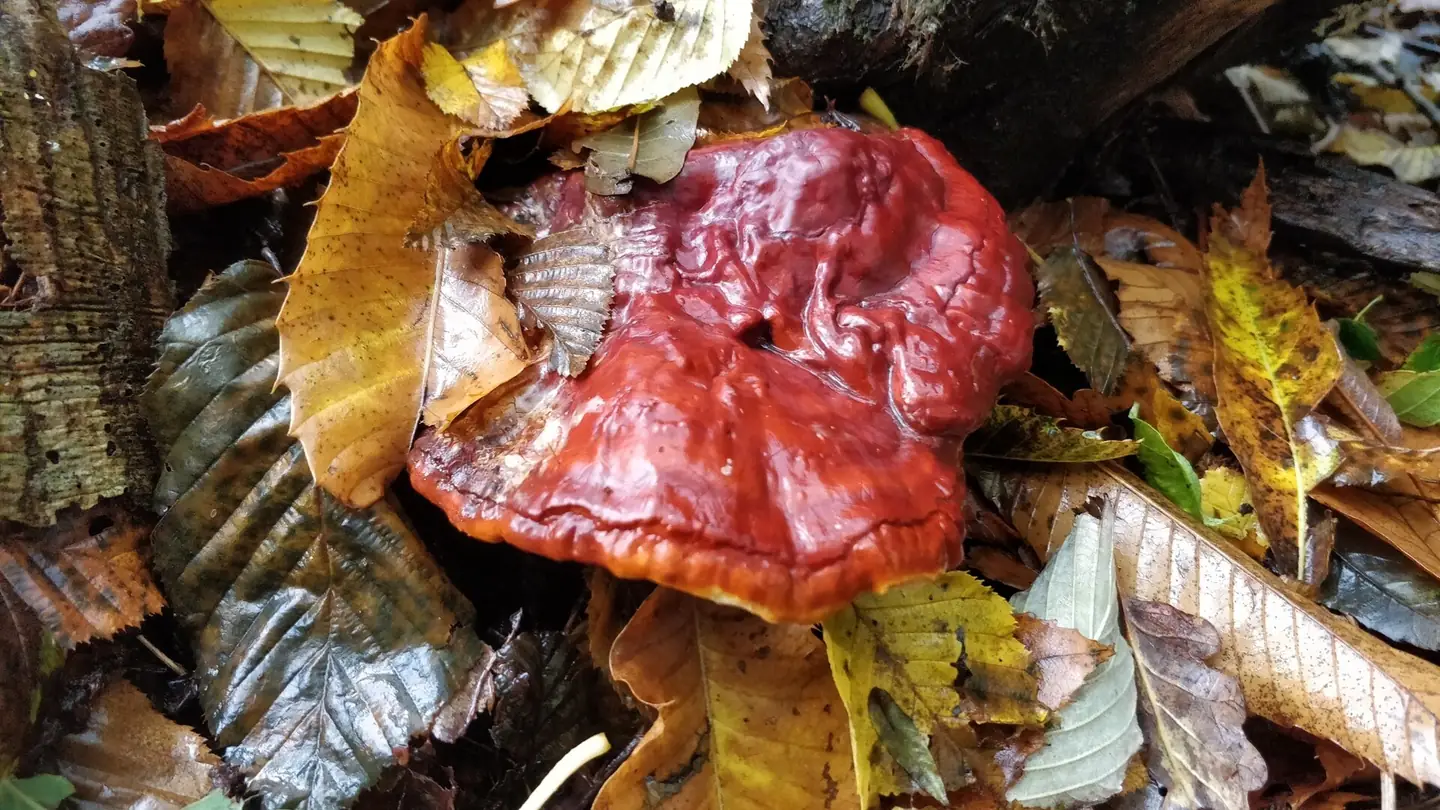
Reishi, called lingzhi in Chinese and reishi in Japanese, is the glossy, reddish shelf mushroom that appears in classical Chinese art as a symbol of longevity and good fortune. It has been a prized tonic for centuries, traditionally sliced and simmered for a long time into a bitter tea. MSKCC lists its common names as ling zhi and "mushroom of immortality".1
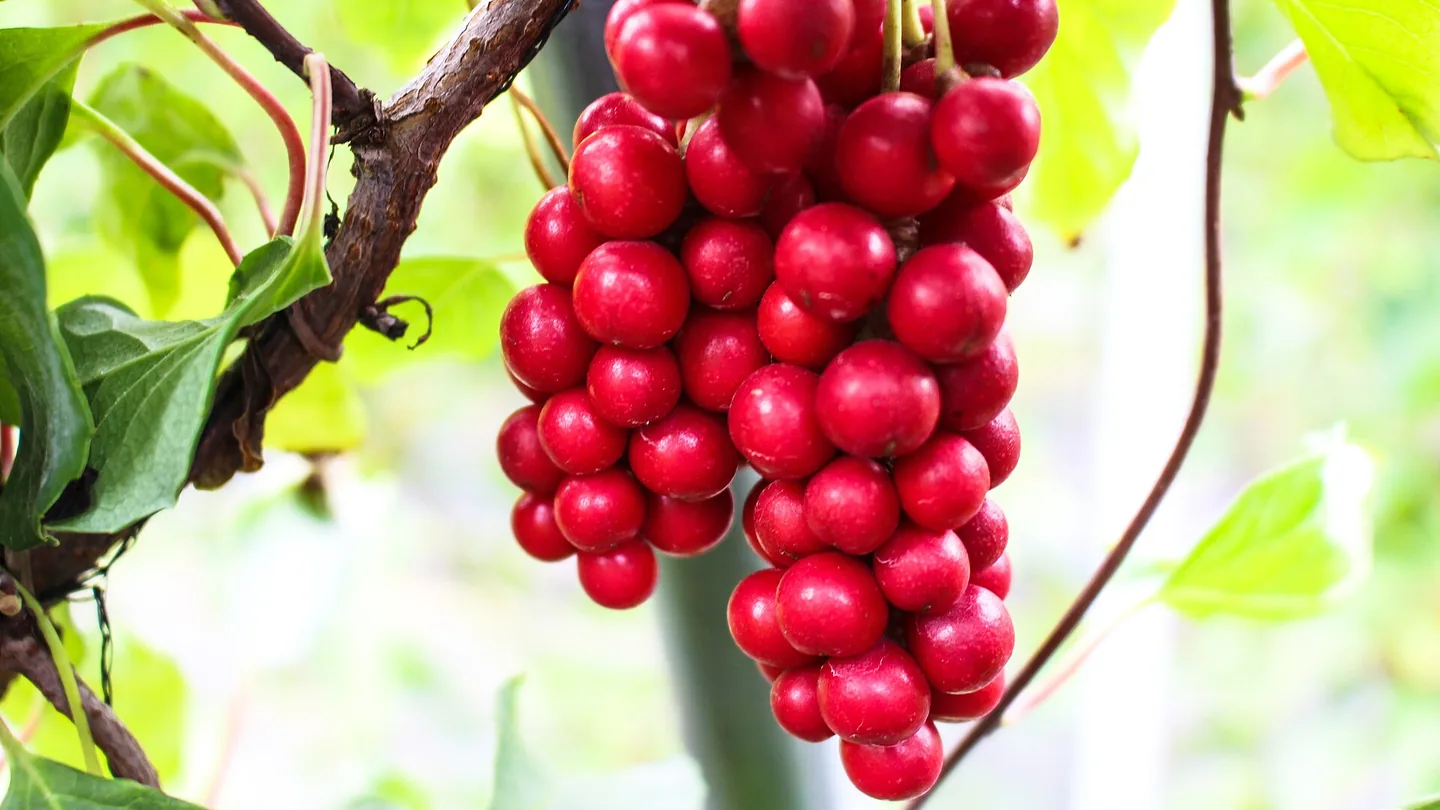
Schisandra, wu wei zi, means "five-flavour berry": sweet, sour, salty, bitter and pungent all at once. In Chinese tradition the small red berries are described as calming and balancing; in Korea they are steeped into a pink omija tea served cold in summer.2 In the former Soviet Union, researchers studied schisandra as an "adaptogen" for workers and soldiers under strain.3
Together they make a lovely evening ritual. The important question is what we can honestly expect from them.
What the research says about reishi
Reishi is heavily researched in laboratories and animals, but high-quality trials in healthy people are scarce. One small randomized crossover study in healthy volunteers looked at antioxidant markers in the blood after a reishi preparation; it measured lab values, not how people felt.4 We have not found strong human evidence that reishi improves calmness, sleep or day-to-day stress, and we do not repeat claims that it does.
MSKCC's integrative medicine service summarizes reishi's clinical evidence as limited and lists several cautions, which we cover below.1
Strength of evidencevery limited in healthy people. Mostly laboratory and animal work.
What the research says about schisandra
Much of the schisandra literature comes from older Russian research, reviewed by Panossian and Wikman, which describes effects on endurance and mental performance under stress, but many of those studies would not meet modern trial standards.3 A later review by the same group discussed how adaptogens might act on stress-response pathways, mostly from laboratory evidence.5
Strength of evidencelow. Interesting history and mechanisms, few rigorous modern human trials.
East meets West: building the ritual around what works
Here is how we would build our retired teacher's evening, keeping the warm tradition and adding well-supported habits.
- Make the tea the signal, not the solution. A warm, caffeine-free cup at the same time each evening tells the body the day is ending. The ritual itself has value.
- Lower the lights and screens. Dim light in the last hour supports the body's natural wind-down.
- Add slow breathing. A few minutes of slow, paced breathing is associated with calmer heart-rate patterns and a greater sense of relaxation.6
- Gentle movement in the day. Tai chi and walking support balance, mood and sleep, especially for older adults.7
- Keep a short worry list. Writing tomorrow's tasks on paper can stop them circling at bedtime.
Safety and interactions
- Reishi and the liver. Rare but serious liver injury has been reported with reishi powder. In one Thai case report, a patient developed fatal hepatitis after switching from traditionally boiled lingzhi to a powdered product.8 Choose products with clear sourcing, and stop if you notice yellowing skin or eyes or dark urine.
- Reishi and blood thinners. Reishi may increase bleeding risk with anticoagulant or antiplatelet medicines.1
- Reishi and immunosuppressants. Because reishi may enhance immune responses, it could work against immunosuppressant medicines, such as those used after an organ transplant.1
- Schisandra and drug metabolism. Lab and animal studies show schisandra can affect the liver enzymes (CYP3A4 and others) and transport proteins that process many prescription medicines. Clinical relevance is still being studied, but it is a reason to ask first.2
Talk to your doctor or pharmacist before using reishi or schisandra regularly, especially if you take blood thinners, immunosuppressants, blood pressure medicine or several prescriptions.
Why "tonic" does not mean "treatment"
In traditional Chinese wellness language, a tonic is something taken to support balance over time, often in food: a soup, a tea, a few berries added to congee. That is a very different idea from a medicine taken to fix a specific problem. When modern packaging blurs the two, for example by printing disease names next to a mushroom photo, it borrows the authority of tradition for a promise tradition never made. We think the respectful approach is to keep reishi and schisandra in the kitchen and the tea cup, where they have always lived, and to leave health conditions to your doctor.
How to choose and prepare
- Prefer a named species on the label: Ganoderma lucidum for reishi, Schisandra chinensis for schisandra.
- Dried slices or whole berries for tea are simpler and closer to traditional use than concentrated powders and capsules.
- A typical home preparation is a few slices of reishi or a small handful of schisandra berries simmered or steeped in hot water. Keep it modest.
- Be wary of any product that claims to treat disease, strengthen immunity against illness or replace your medicine.
The bottom line
Reishi and schisandra carry beautiful stories from Chinese, Korean and Japanese tradition, and an evening cup can be a genuinely calming ritual. The modern human evidence for stress or sleep effects is thin, and there are real cautions for the liver and for people on regular medicines. Keep the ritual, keep the dose gentle, check with your doctor and let dim lights, breathing and daytime movement do the deeper work.
East meets West · the research
Research from Asia
Studies published in Japanese, Korean, Malaysian, Chinese and TCM journals, read with the same care as our other sources. Some were published in Japanese, Korean, Chinese or Malay; we show the original title and an English translation, and summarise them in plain English. We note small samples, animal studies and company-run trials. These summaries describe what was studied; they are not promises of results for you.
- China · TCM
Wicks SM, Tong R, Wang CZ, et al. (2007). Safety and tolerability of Ganoderma lucidum in healthy subjects: a double-blind randomized placebo-controlled trial. The American Journal of Chinese Medicine (Singapore-published TCM journal).
In plain English: A 10-day randomized, placebo-controlled safety study in 16 healthy US volunteers taking reishi (Ganoderma lucidum) extract; no adverse effects were seen, and the authors called for longer, larger safety trials.
- China · TCM
Li J, Wang J, Shao JQ, et al. (2015). Effect of Schisandra chinensis on interleukins, glucose metabolism, and pituitary-adrenal and gonadal axis in rats under strenuous swimming exercise. Chinese Journal of Integrative Medicine (China).
In plain English: A rat study from Nanjing: rats given Schisandra chinensis before strenuous exercise showed smaller changes in some stress-hormone and inflammation markers. An animal study only, not evidence for people.
- China · TCM
Chen J. (2023). Essential role of medicine and food homology in health and wellness. Chinese Herbal Medicines (China).
In plain English: An editorial from China's National Center for Food Safety Risk Assessment explaining "medicine and food homology", the TCM idea that some herbs are also everyday foods, and China's official list of such substances. A viewpoint piece, not a trial.
Each record was checked against PubMed, J-STAGE, KoreaScience or the DOI registry on 14–15 November 2026. Translations are Open Leaf’s own; please check the original for exact wording. Not medical advice.
References
Every source below was checked against PubMed or the publisher’s page on 14 November 2026. Inclusion is not an endorsement of any product.
- Memorial Sloan Kettering Cancer Center, About Herbs. Reishi Mushroom. Official page ↗
- Memorial Sloan Kettering Cancer Center, About Herbs. Schisandra. Official page ↗
- Panossian A, Wikman G. Pharmacology of Schisandra chinensis Bail.: an overview of Russian research and uses in medicine. J Ethnopharmacol. 2008. PubMed ↗ · DOI 10.1016/j.jep.2008.04.020
- Chiu HF, Fu HY, Lu YY, et al. Triterpenoids and polysaccharide peptides-enriched Ganoderma lucidum: a randomized, double-blind placebo-controlled crossover study of its antioxidation and hepatoprotective efficacy in healthy volunteers. Pharm Biol. 2017. PubMed ↗ · DOI 10.1080/13880209.2017.1288750
- Panossian A, Wikman G. Effects of Adaptogens on the Central Nervous System and the Molecular Mechanisms Associated with Their Stress-Protective Activity. Pharmaceuticals (Basel). 2010. PubMed ↗ · DOI 10.3390/ph3010188
- Zaccaro A, Piarulli A, Laurino M, et al. How Breath-Control Can Change Your Life: A Systematic Review on Psycho-Physiological Correlates of Slow Breathing. Front Hum Neurosci. 2018. PubMed ↗ · DOI 10.3389/fnhum.2018.00353
- National Center for Complementary and Integrative Health (NIH). Tai Chi: What You Need To Know. Official page ↗
- Wanmuang H, Leopairut J, Kositchaiwat C, et al. Fatal fulminant hepatitis associated with Ganoderma lucidum (Lingzhi) mushroom powder. J Med Assoc Thai. 2007. PubMed ↗
Keep reading
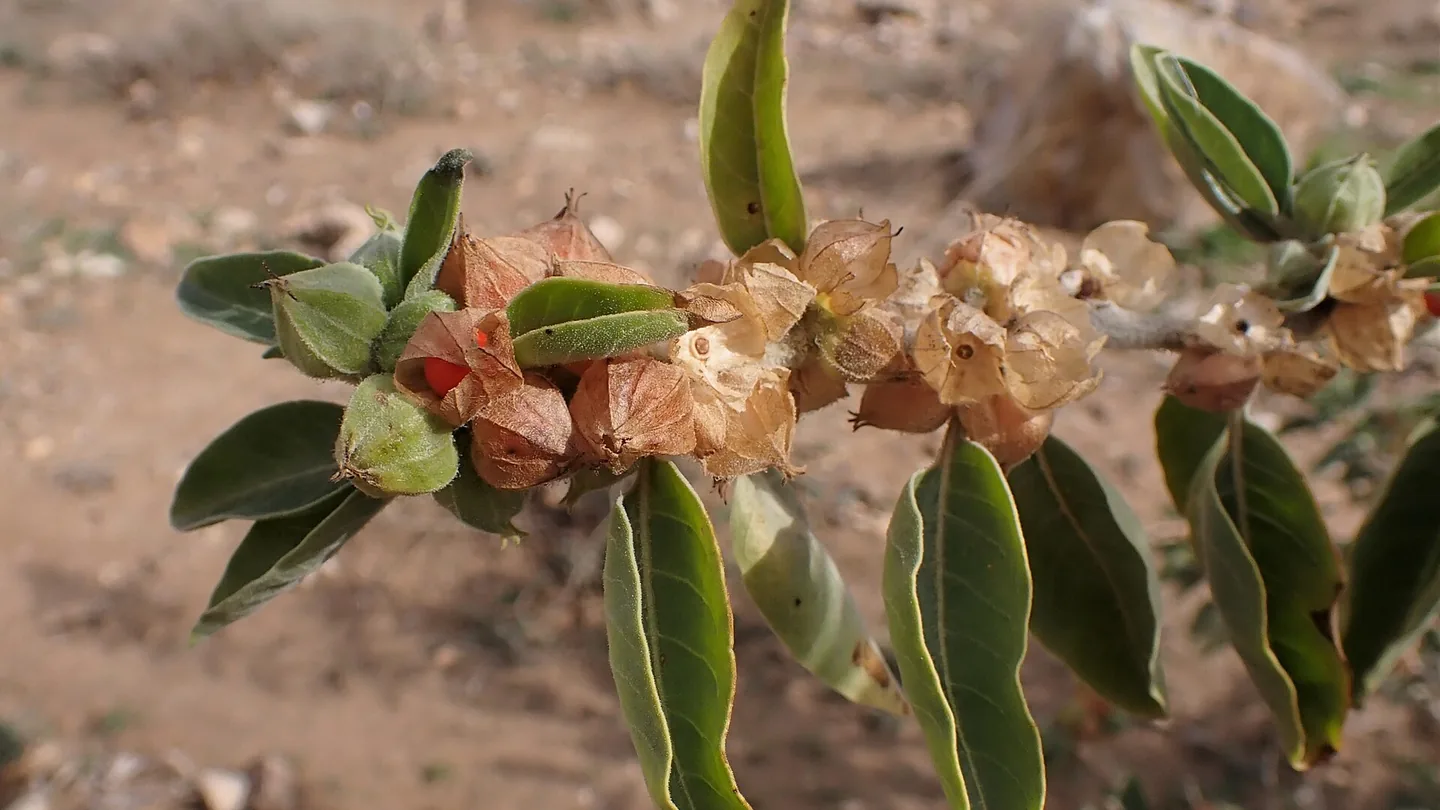
Ashwagandha for work stress and sleep: what trials show, and the safety fine print
Ashwagandha, an Indian Ayurvedic herb, studied for perceived stress and sleep. An honest review of the trials, liver and thyroid cautions, and habits that support calmer days.
Read the guide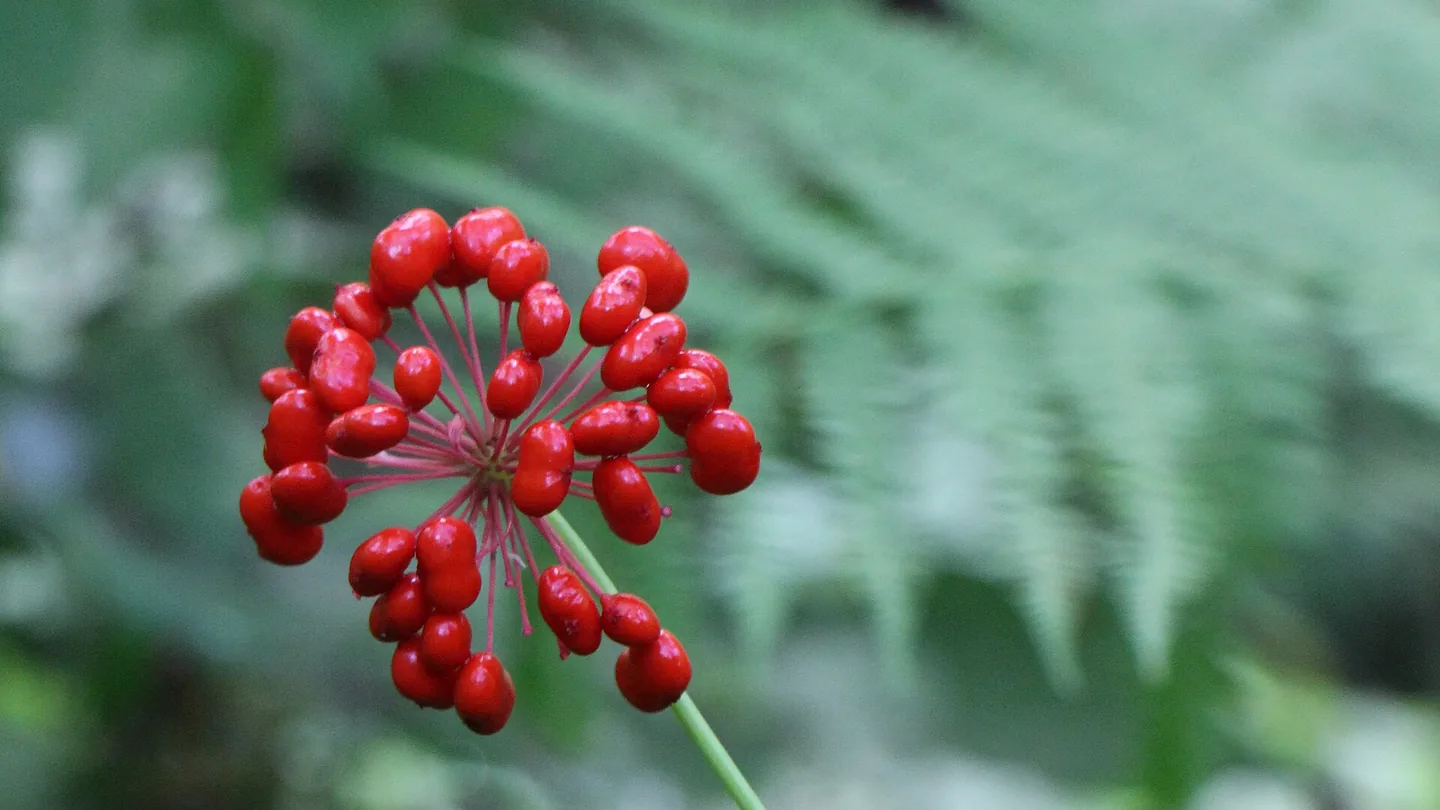
Asian ginseng and the demanding workday: an East-meets-West look
Asian ginseng (Panax ginseng) in Korean and Chinese tradition, what modern trials show about calm and focus, warfarin interactions, and daily habits that matter more.
Read the guide
Goji berries for the eyes? A careful look at gou qi zi in healthy aging
Goji (gou qi zi) in Chinese kitchens and tradition, what a 90-day trial in older adults measured, the warfarin interaction you should know, and everyday eye-care habits.
Read the guide